Norfolk Courses · Course Guide
Norfolk Courses · Course Guide
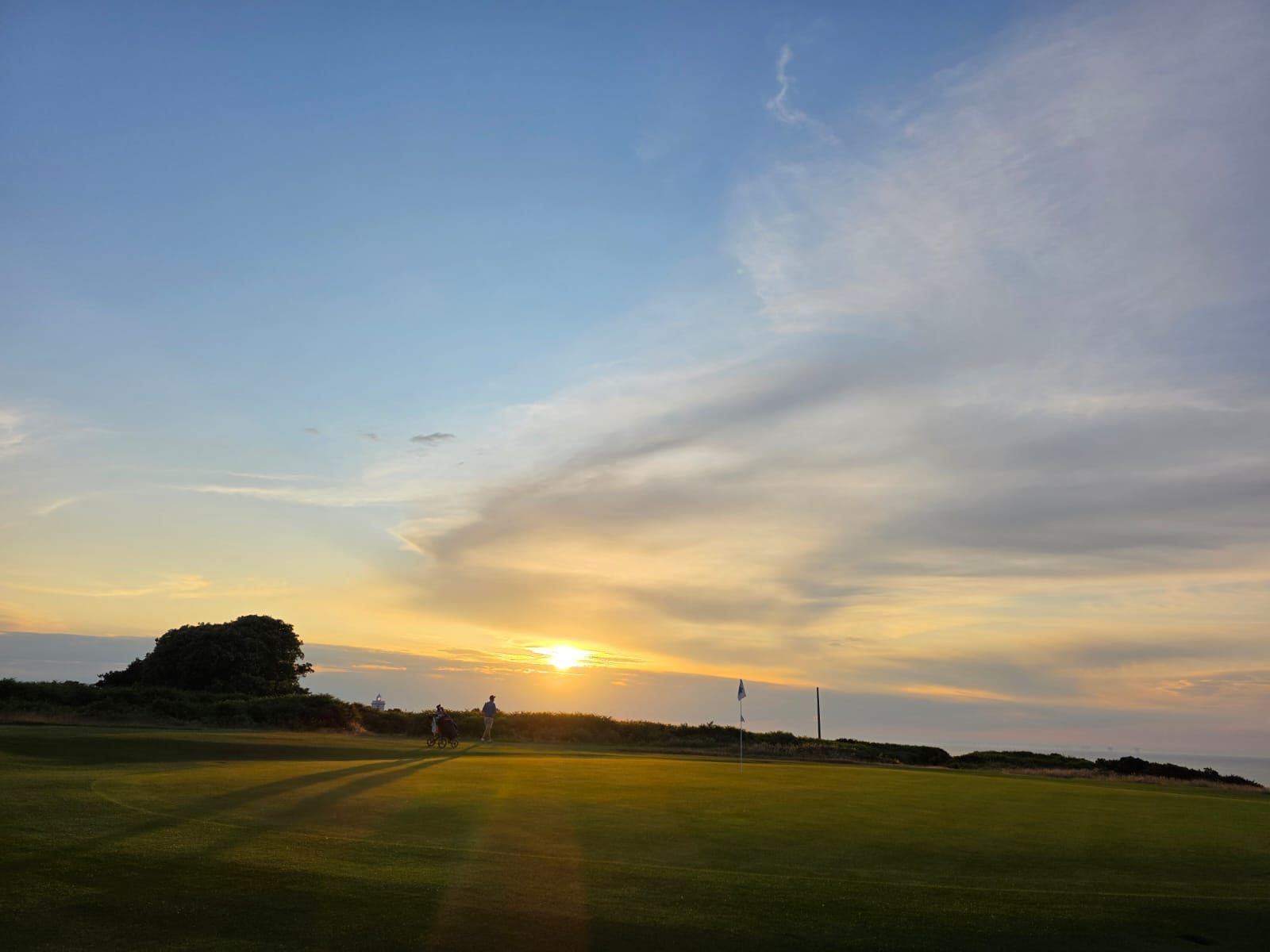
There are golf courses with sea views, and then there are courses that feel as though they were carved directly from the cliff edge — where a wayward drive doesn't just find rough but finds sky. Royal Cromer is the latter. Perched on the highest clifftop on the east coast of England, with the North Sea stretching to the horizon from almost every hole, it is one of the most visually arresting courses in the British Isles.
For visiting golfers — particularly those travelling from the United States or continental Europe — Royal Cromer tends to appear lower on the radar than its Scottish or Irish counterparts. That, frankly, is part of its appeal. The tee times are achievable, the clubhouse is genuinely welcoming, and the golf itself will test every part of your game in ways that no parkland course ever could.
This is our complete guide to playing Royal Cromer — what to expect, the holes worth knowing, the practical details, and how to make the most of a visit.
Royal Cromer is a clifftop links, though it plays differently to the classic links courses of the west coast of Scotland. The turf here is firmer and faster than most visitors expect, particularly in summer — the ball runs and rolls in ways that reward low, controlled shots rather than high approaches. The wind, which can arrive from almost any direction across open North Sea, is the governing factor on any given day.
The course sits on two levels, with the upper clifftop holes offering the most dramatic views, and the lower sections — tucked behind the dune ridge — providing a more sheltered test. The routing takes you back and forth across the cliff edge, meaning the wind direction will favour you on some holes and punish you on others. There is no hiding from it.
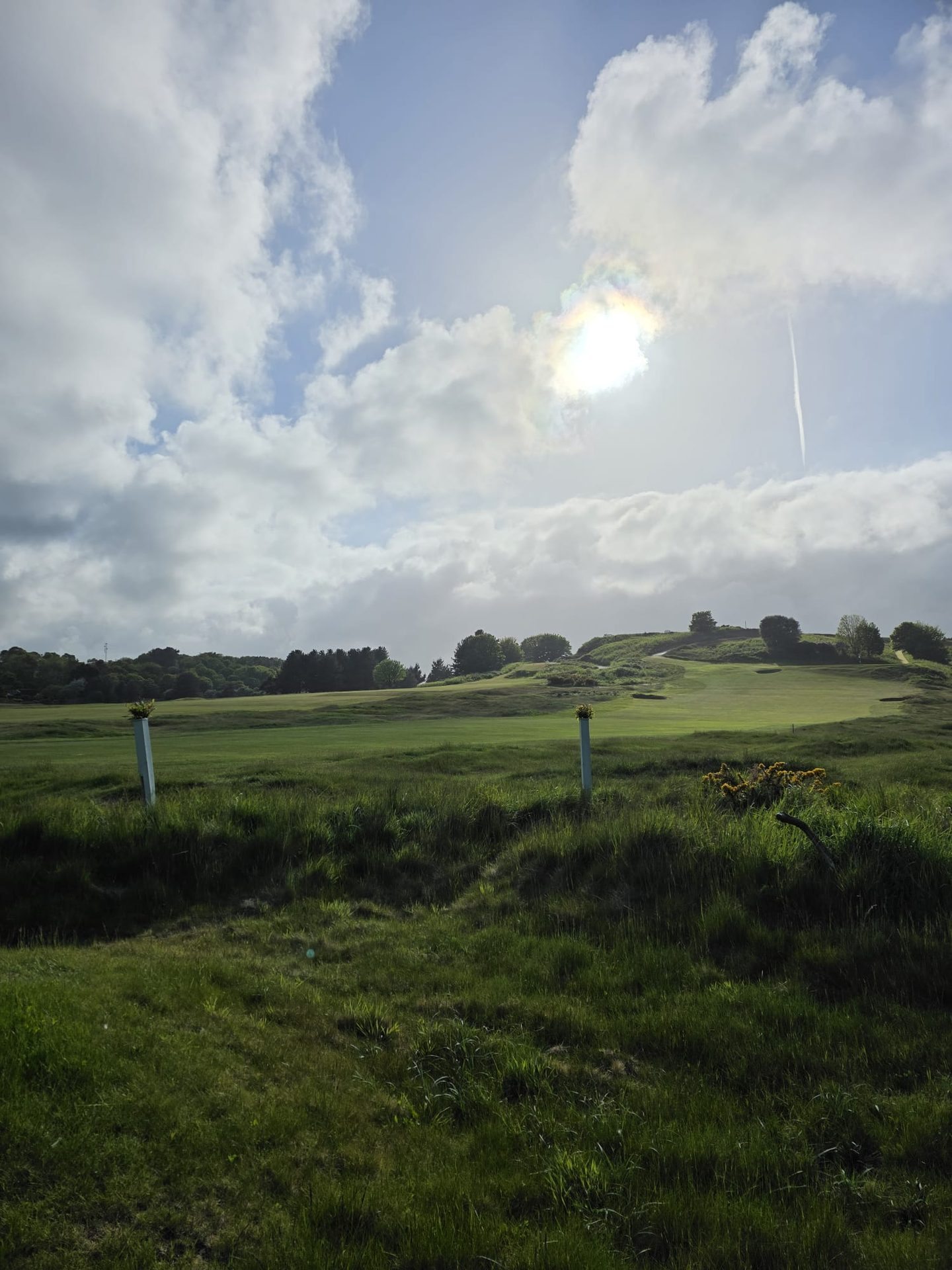
The hole where Royal Cromer announces itself. A mid-length par four that plays along the very edge of the cliff, with the sea visible below and the Norfolk coastline stretching north toward Sheringham. The tee shot requires both commitment and precision — too far right and you are in the rough with a difficult lie; too far left and you have blocked yourself from the green. Play the wind, trust your line, and don't look down.
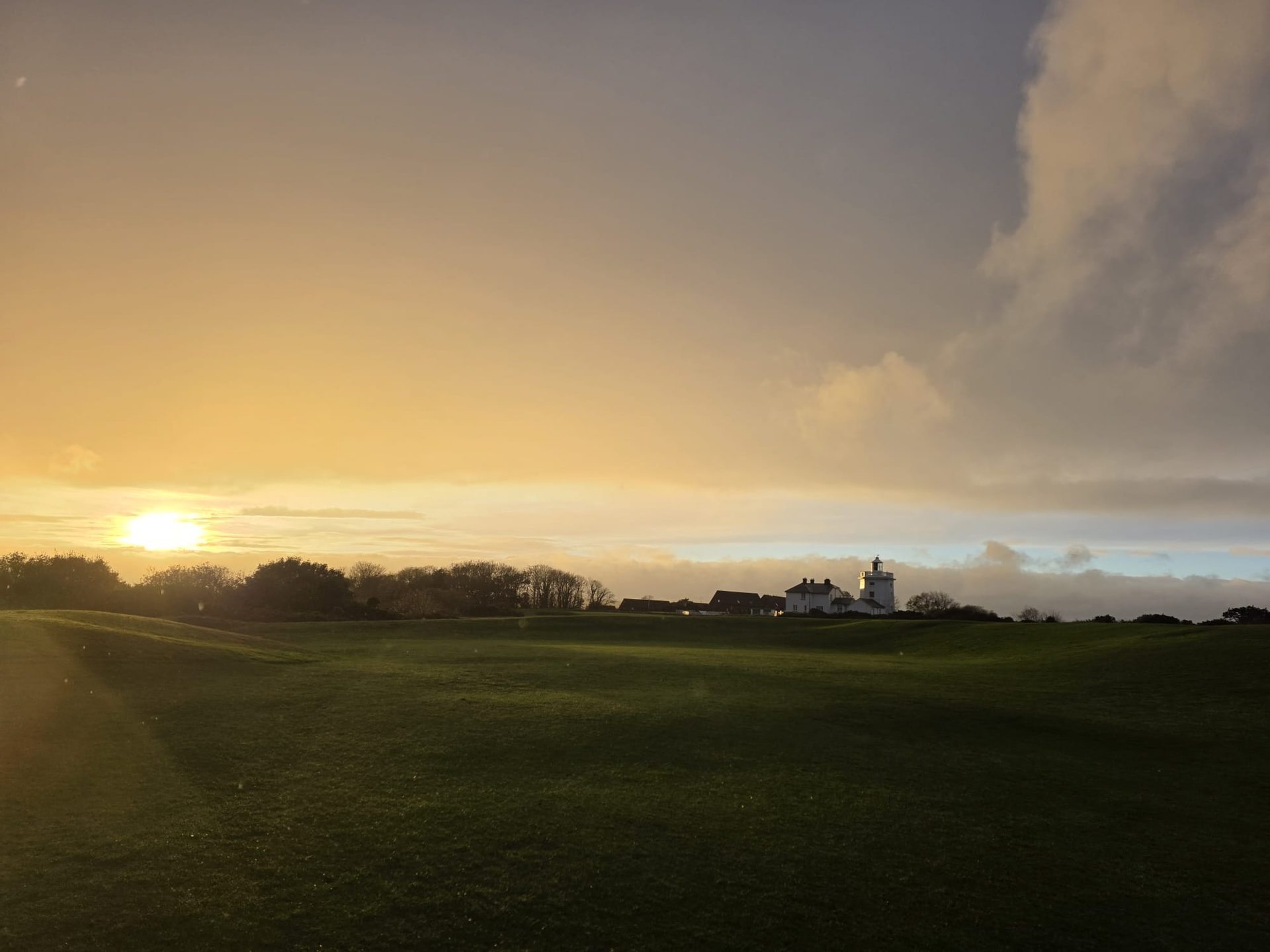
The Cromer lighthouse — one of the most distinctive landmarks on the Norfolk coast — frames the backdrop to the 14th, a par four that plays deceptively long into the prevailing wind. The green is well-protected and rewards a precise approach. This is the hole that most visiting golfers photograph, and for good reason.
A strong par four back toward the clubhouse, typically played into the wind. It is a proper finishing hole that demands a final act of discipline from a round that will have tested your patience, your creativity and your short game. Make par here and you have genuinely played well.
"There are perhaps a dozen courses in England that make you feel the full weight of the game's history — the wind, the sea, the turf underfoot. Royal Cromer is one of them."
Royal Cromer is at its finest in late spring and early autumn — May, June, September and October. The turf is at its best, the winds are manageable more often than not, and the light in the early morning and late afternoon has a quality that is unique to the east Norfolk coast. Summer (July–August) is perfectly playable but visitor slots are more restricted and the course can be busier.
Winter golf at Royal Cromer is for the committed. The course often remains open through the colder months, and there is something genuinely memorable about playing on a crisp December morning with no one else on the course. But be prepared for anything.
Visitors are warmly welcomed at Royal Cromer, but tee times must be booked in advance — the club does not operate an open turn-up policy for visitors. Weekday availability is generally good. Weekend access is more restricted, with members having priority at peak times. We recommend booking at least two to three weeks ahead during the summer season, and further ahead if you are planning a group visit.
Cromer is approximately two hours by road from London (via the A11 and A140), and around 45 minutes from Norwich. The nearest railway station is Cromer, with connections to Norwich and onward to London Liverpool Street. If you are touring multiple courses on the Norfolk coast, Cromer makes an excellent base — Sheringham Golf Club is just five miles west, and Hunstanton is under an hour's drive.
The Royal Cromer clubhouse is a proper 19th hole — a warm welcome, good food, and the kind of unhurried post-round atmosphere that golf clubs in this part of England do particularly well. Cromer town itself is worth an hour of your time: the pier, the crab (the Norfolk crab is genuinely excellent), and the independent shops along the high street. For dinner, the Rocket House Café and the No. 1 Cromer are both worth knowing.
Royal Cromer works as a standalone day visit, but it is best experienced as part of a wider Norfolk golf trip. The north Norfolk coast has a concentration of exceptional courses — Hunstanton, Sheringham, and Royal West Norfolk at Brancaster are all within easy reach — and the landscape between them, with its big skies, salt marshes and village pubs, is as good as English countryside gets.
Our curated itineraries are built around exactly this kind of trip — two, three, four or five days that combine the best courses with the right places to stay, eat and travel. Royal Cromer features in almost all of them.
We handle the tee times, transfers and accommodation so you can focus on the golf. Tell us how many days you have and we'll build the itinerary around you.
Start your enquiry