Links Golf · Comparison
Links Golf · Comparison
We're not going to make the case that Norfolk and Suffolk beat Scotland. That would be a silly argument to win and an easy one to dismiss. The honest comparison is more useful than that — because Scotland and England's east coast are answering slightly different questions, and most golfers planning a links trip haven't actually worked out which question they're asking.
Here is the comparison we'd give a friend, not a marketing brochure.
Scotland has the names. St Andrews, Carnoustie, Royal Dornoch, Turnberry, Royal Troon — these are courses with championship history, instantly recognisable to any golfer, and playing them carries a weight that no amount of course quality elsewhere can quite replicate. If bucket-list prestige is the primary goal of the trip, Scotland wins outright, and we'd say so to anyone who asked.
Scotland also has volume. There are more world-class links courses concentrated across more regions than anywhere else on earth, which means a two-week trip can string together an extraordinary run of genuinely great golf without much compromise.
What Norfolk and Suffolk offer is a different trade-off, not a lesser version of the same one.
Royal West Norfolk, Hunstanton and Royal Cromer all maintain visitor policies that, for now, are considerably more open than the famous Scottish names in peak season. Tee times that require months of advance planning at St Andrews can often be secured with a few weeks' notice here.
Green fees on this coast run well below the headline Scottish courses, and accommodation in Norfolk and Suffolk's market towns is generally more affordable than the hotel pricing that has built up around Scotland's most famous courses over decades of tourism.
Two hours by road or rail from central London versus a flight or a long drive north. For golfers combining a UK trip with London business or sightseeing, this matters more than it sounds.
Scotland's marquee courses are busy, and increasingly so. Norfolk and Suffolk's courses are not — you are playing genuine championship-pedigree links and heathland golf largely alongside members and a handful of other visitors, not a procession of bucket-list tour groups.
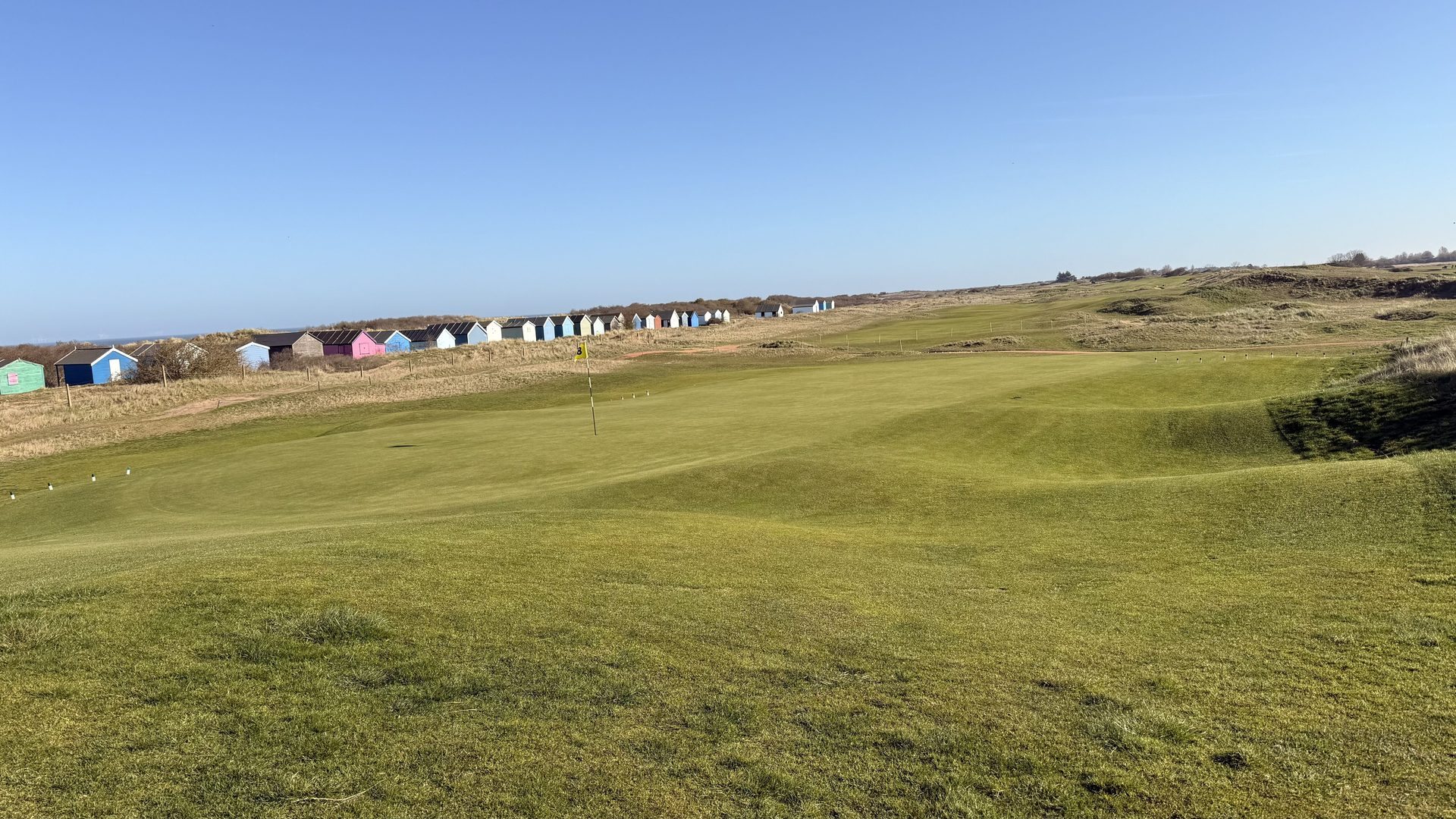
Royal West Norfolk's tide-dependent foursomes format at Brancaster has no real equivalent in Scotland. Suffolk's heathland courses — Aldeburgh, Thorpeness, Royal Worlington — are a different game entirely from coastal links: gorse, heather, fast sandy soil, a more strategic and less brute-force test.
If the trip is about ticking off the courses you've watched on television for thirty years, go to Scotland — there's no honest argument against it.
If the trip is about playing serious, championship-calibre links and heathland golf without the premium pricing, the advance planning headache, or the crowds — and you'd value an extra day exploring genuinely unspoilt English countryside, market towns and coastal villages between rounds — Norfolk and Suffolk make a strong case that most golfers never get the chance to consider, simply because nobody has told them this coastline exists.
The two aren't mutually exclusive, either. A growing number of our guests treat England's east coast as the value-and-access half of a UK golf trip, pairing it with a shorter, more selective Scottish leg rather than choosing one over the other.
"Scotland is where you go to play the courses you already know. Norfolk is where you go to discover the ones you don't — and walk away wondering why nobody told you sooner."
It's worth saying plainly: Royal West Norfolk at Brancaster holds genuine World Top 100 recognition, and Hunstanton sits inside the Top 100 of Great Britain and Ireland. This isn't a regional curiosity dressed up as a destination — it's championship-pedigree links golf that happens to sit outside Scotland's shadow.
Whichever way you lean, the planning principles are the same: book well ahead for the famous Scottish names, understand visitor access policies before you travel, and use someone who knows the courses personally rather than booking blind off a generic search.
We specialise in the England's east coast half of that equation — Norfolk and Suffolk, built properly, by people who play these courses regularly and know exactly how the tide table at Brancaster actually works.
Tell us what you're trying to build — a focused east coast trip, or part of a wider UK itinerary — and we'll put together a clear proposal within 24 hours.
Start your enquiry